40 Years of Stable Sugar Life
My Real Story of Living With Diabetes
Hi, and welcome to Stable Sugar Life.
If you’re here, chances are you’re living with diabetes too—or you care about someone who is. Either way, I’m glad you stopped by.
I’ve had diabetes for 40 years now. That’s four decades of checking blood sugars, counting carbs (or not counting them when life got too busy), dealing with doctor’s appointments, and figuring out what actually works on the days when I barely have energy to get out of bed.
It started back when I was younger—diagnosis day is still vivid: the shock, the learning curve with insulin shots, the fear of what “forever” meant. Back then, tools were basic—no fancy CGMs or apps beeping warnings. You pricked your finger a lot, hoped for the best, and learned fast from mistakes.
Over the years, the biggest challenges have been the highs and lows—those rollercoaster blood sugars that can sneak up on you.
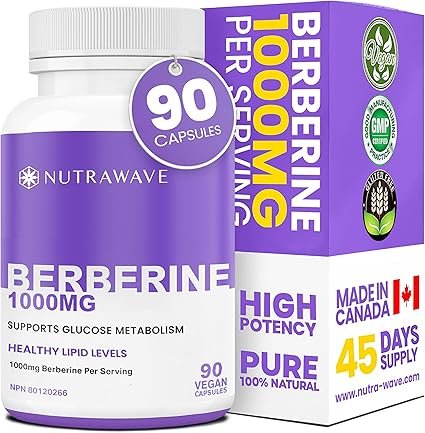
Berberine
Berberine is a natural compound found in certain plants that's been traditionally used in traditional medicine. It's researched for its potential benefits like lowering blood sugar levels and may have other health properties.
The Highs
(hyperglycemia) left me feeling foggy, tired, thirsty all the time, and sometimes cranky for no reason. They happened from stress, a forgotten dose, an extra slice of pizza on a bad day, or even a cold. Long-term, I worried about what they might do to my eyes, kidneys, nerves—but mostly, in the moment, they just made everything harder. Simple tasks felt exhausting.
The Lows
(hypoglycemia) were scarier. That shaky, sweaty, heart-racing feeling—like your body’s emergency alarm going off. I’ve had moments where I couldn’t think straight, almost passed out, or needed help from family to eat something fast (juice, glucose tabs, candy—whatever was handy). Nighttime lows were the worst; waking up drenched in sweat or not waking up fully until I treated it. Those taught me to always keep a snack nearby and never skip checking before bed.
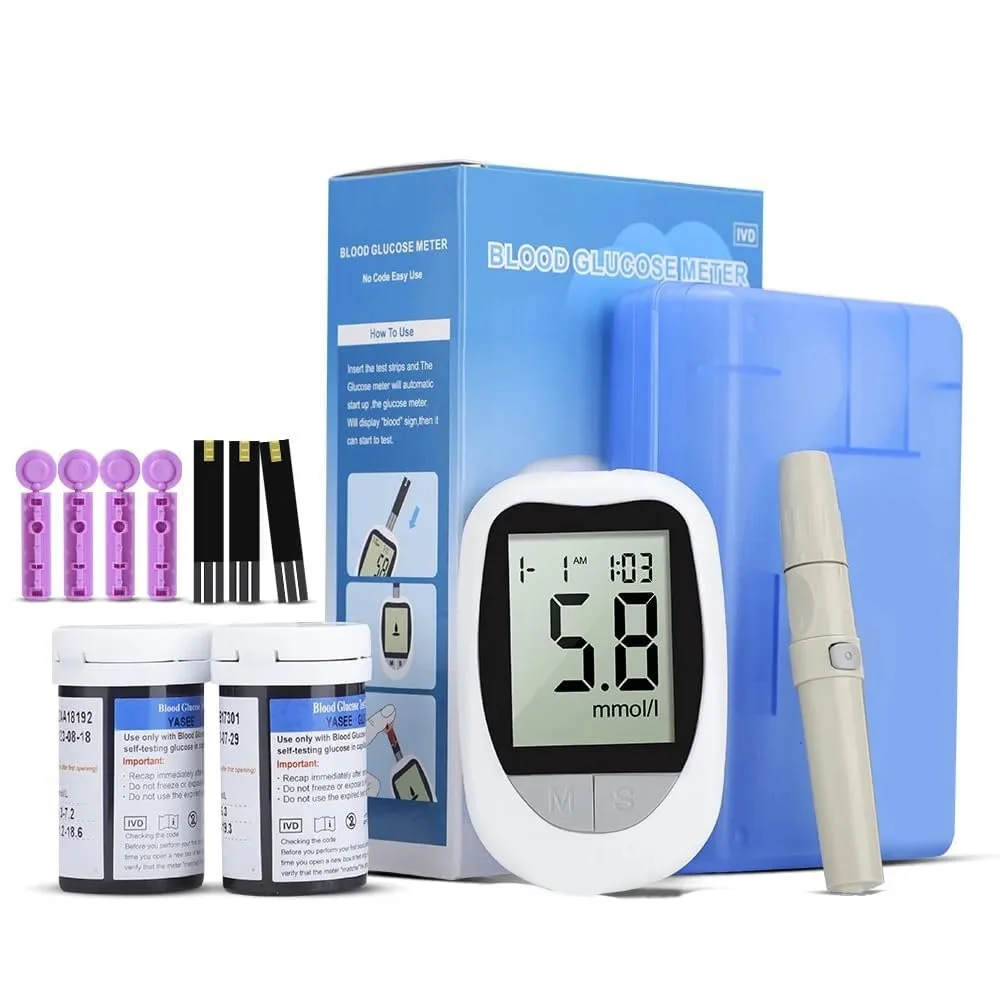
Glucose Monitors and Testing
Regular blood glucose monitoring is crucial for diabetics because it provides vital information about your body's response to diet, exercise, and medication. It helps you make informed decisions to avoid potentially dangerous high or low blood sugar levels, which can lead to serious health complications. Regular monitoring empowers you to stay on track with your treatment plan. Here are some monitors just click below
Through all of it—40 years of trial and error—I’ve learned a few things that stick:
• Stability isn’t about perfection; it’s about small, doable habits on low-energy days.
• Listening to my body matters more than any “rule” in a book.
• Technology has changed everything (CGMs are a game-changer for spotting trends early), but the basics—hydration, movement when I can, and grace on tough days—still win.
• You’re not alone. Diabetes can feel isolating, but connecting with others who get it makes the load lighter.
This blog is my way of sharing what I’ve picked up over these decades. Not fancy medical advice—just real, lived experience. Tips for low-energy mornings, favorite stable snacks, how I handle highs without panicking, stories from the rough patches, and the little wins that keep me going.
If any of this sounds familiar, stick around. I’ll be posting more soon—short and sweet so it’s easy to read when you’re not feeling 100%.
